In This Article
- The Single Story Trap
- Media Bias and Its Real-World Impacts
- The Role of Algorithms and AI in Perpetuating Bias
- The Real Africa vs. Western Stereotypes
- The Need for Authentic African Voices
Key Takeaways
- Western media and algorithms disproportionately portray Africa through a lens of poverty, conflict, and crisis, reinforcing harmful stereotypes and ignoring its technological and economic progress.
- Biased media coverage has tangible financial consequences for African nations, including higher borrowing costs and reduced investor confidence due to perceived instability.
- Sensationalist narratives about Africa are amplified by social media algorithms and audience preferences, prioritizing engagement over accurate representation.
- Even African media outlets sometimes adopt negative frames influenced by Western reporting norms, perpetuating a cycle of biased storytelling.
- Emerging technologies like AI risk embedding these biases further, as they are trained on datasets that underrepresent African achievements and cultural nuance.
Africa Isn’t a Charity Exhibit — It’s a Complex Continent Misread by Western Media and Algorithms
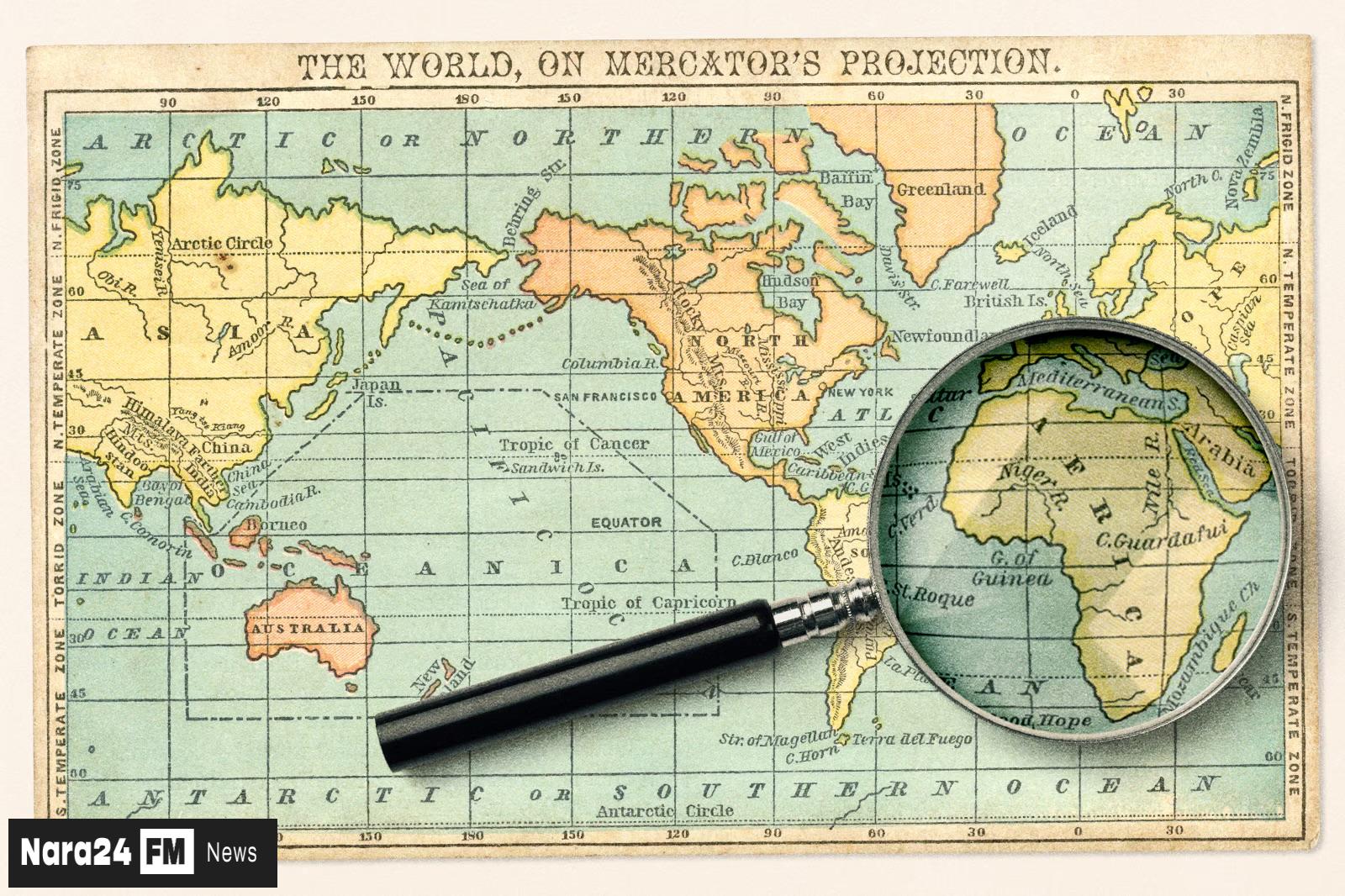
Let’s get one thing straight from the jump: Africa is not a single theme park of poverty and mud huts. But if you scroll the global algorithm long enough, you might think it is. The narrative that Western media and social platforms push is not accidental — it’s constructed, biased, and very profitable.
The ‘Single Story’ Trap
Western outlets — from flashy cable news to glossy digital feeds — have a curious habit: they cover Africa only when it’s dramatic. Conflict, corruption, disease, famine, disaster — that’s “news.” Good tech, innovation, thriving urban life? Not so much. This leads viewers to subconsciously believe Africa only exists in crisis mode, and every story from the continent must conform. That’s not journalism — it’s a stereotype machine.
This phenomenon isn’t fringe — it’s systemic. Research shows that African technological achievements (like mobile money or health innovations) are covered only as “solutions to immediate crises”, not as globally relevant tech. That keeps the narrative confined to needs and dependency, not capabilities and agency.
Media Bias Is Not Just About Story Selection — It Shapes Money and Policy
The impacts are very real and measurable. A recent study found that biased Western media portrayals cost African nations billions of dollars — not in pity, but in financial disadvantage. By reinforcing risk and instability, countries face higher borrowing costs and reduced investor confidence. That’s not opinion, that’s numbers.
So when some TV host shows dusty villages or oversimplified tribal portraits for clicks, the real-world cost isn’t abstract — it can affect interest rates, foreign investment, and economic projects across the continent.
Why This Happens: Clicks and Comfort Zones
Here’s the ugly engine behind it: people like what confirms their existing assumptions.
Hollywood taught generations to think of Africa as a place of wild danger and tribal mystique. News outlets learned long ago that bad news sells better than good news. And social algorithms — which are designed to optimize for engagement — amplify the most sensational, stereotypical content because that’s what gets the eyeballs, likes, and shares.
So guess what gets boosted?
Related:Boxing Legend and Pastor Dr. Henry Byamukama Katabazi Enters Uganda's 2026 Presidential Race ###
Dr. Henry Byamukama Katabazi, a multifaceted Ugandan leader...
Read more
-
Rift Valley drama
-
Ebola stories treated as “Africa-wide” instead of region-specific
-
Mud hut entrepreneurs instead of Nairobi fintech CEOs
-
Poverty porn over pan-African progress
That’s not ignorance — it’s algorithmic reward engineering.
Even African Media Is Caught in the Web
You might think, “Okay, but what about African news outlets?”
Bad news travels. Research shows that even local media often lean into negative frames because foreign news agencies influence local reporting norms. Editors may not spot bias because they have been trained in the same system.
So it’s not just Western media exporting stereotypes — those narratives are sometimes imported back into African reporting too, creating a vicious loop.
AI and Bias: The Next Layer of the Problem
This isn’t just old-school TV news. Even AI and language models encode bias because they’re trained on data shaped by the same sources. New research shows AI systems tend to reflect the stereotypes present in their training sets — often favoring Western norms and underrepresenting African cultural nuance.
In short, the problem doesn’t go away just because platforms change — the bias becomes invisible code in the machine.
What Real Representation Looks Like (But Rarely Gets Views)
Imagine two videos:
- A coder in a high-rise tech hub in Nairobi, using real tools, building real products
- A coder in a rustic setting, with sensational subtitles for emotional appeal
Guess which one goes viral?
Final Ruling: Walukaga Mathias Disqualified from Parliamentary Contest by Court
Uganda's High Court dismisses musician Mathias Walukaga's el...
Read moreThe latter — because western viewers see it as exotic struggle porn, not existential competence.
That’s not your fault. That’s algorithmic taste — shaped by years of conditioning and engagement metrics, not truth.
The Real Continent Is More Complex Than Your Feed
Africa has:
-
booming tech scenes in Accra, Lagos, Kigali
-
rapidly growing middle classes
-
serious scientific contributions
-
major contributions to global culture
Yet these don’t fit the lazy Western stereotype of “backward,” so they’re underreported.
That’s not reality; that’s comfortable ignorance being sold as news
Conclusion: We Deserve Better Stories
If you think the world needs more African voices telling African stories, you’re right. Organizations like Africa No Filter are actually working to change the narrative by enabling real stories from the continent to be heard authentically — not through a stereotype lens.
This bias isn’t just old-school colonial hangover — it’s an active structural narrative built for comfort, not clarity. The good news? Once people start seeing nuance instead of stereotypes, the perception shifts — and the world begins to catch up to reality.




Comments (0)
Leave a Comment
Be the first to comment on this article!