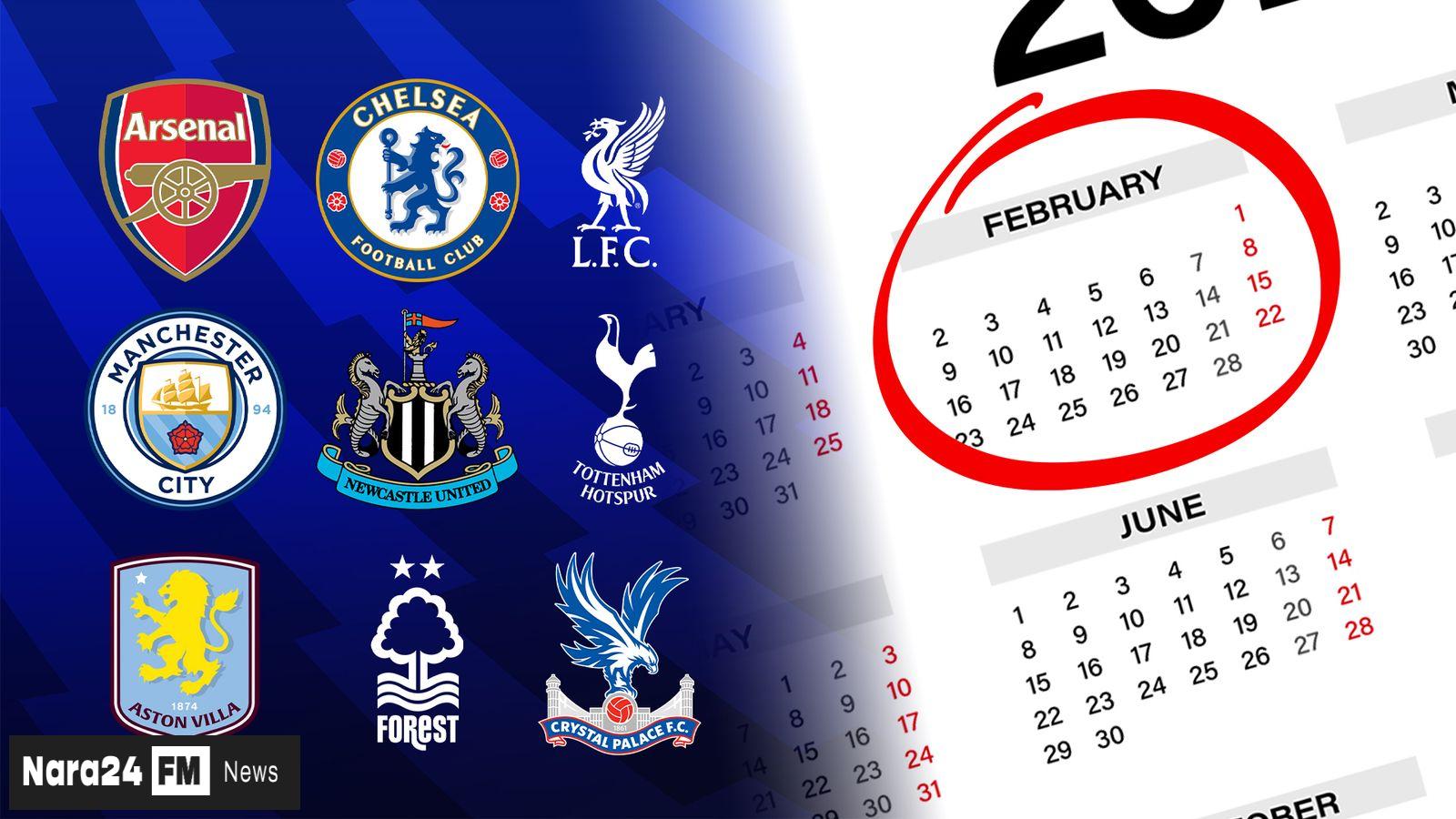
Premier League teams face a potential February fixture nightmare if they fail to secure top-eight positions in their European competitions, with some clubs staring at nine matches across a demanding 29-day stretch.
The High Stakes of League Phase Finishes
Sides finishing between ninth and 24th in their European groups must navigate two-legged playoff matches in mid-February to reach the knockout stages. This comes alongside existing domestic commitments in the Premier League and FA Cup, creating an intense scheduling crunch.
Arsenal have already secured a strategic advantage with their Champions League top-two finish, guaranteeing home second-leg matches throughout the knockout phase. Aston Villa similarly eased pressure by qualifying early for the Europa League last 16.
The February Fixture Squeeze
The European playoff first legs (February 17-19) and return fixtures (February 24-26) create a critical bottleneck:
- Chelsea could face 8 matches including Champions League playoffs
- Manchester City's schedule includes Carabao Cup semi-finals
- Eliminated FA Cup teams like Spurs get slight relief
Competition Format Implications
The revamped European competitions introduce new competitive dynamics:
| Position | Outcome |
|---|---|
| 1st-8th | Automatic last-16 qualification |
| 9th-24th | Two-legged playoffs |
| 25th-36th | Elimination |
Higher finishes bring tangible rewards, with top-four Champions League teams getting home second-leg advantages through to the quarter-finals. The playoff draw on January 30 will determine matchups, where ninth-placed teams face 24th-placed opponents.
As English clubs navigate this complex landscape, the 2025/26 Champions League final awaits in Budapest's Puskás Arena on May 30, with qualification routes now carrying heavier consequences than ever before.







Comments (0)
Leave a Comment
Be the first to comment on this article!