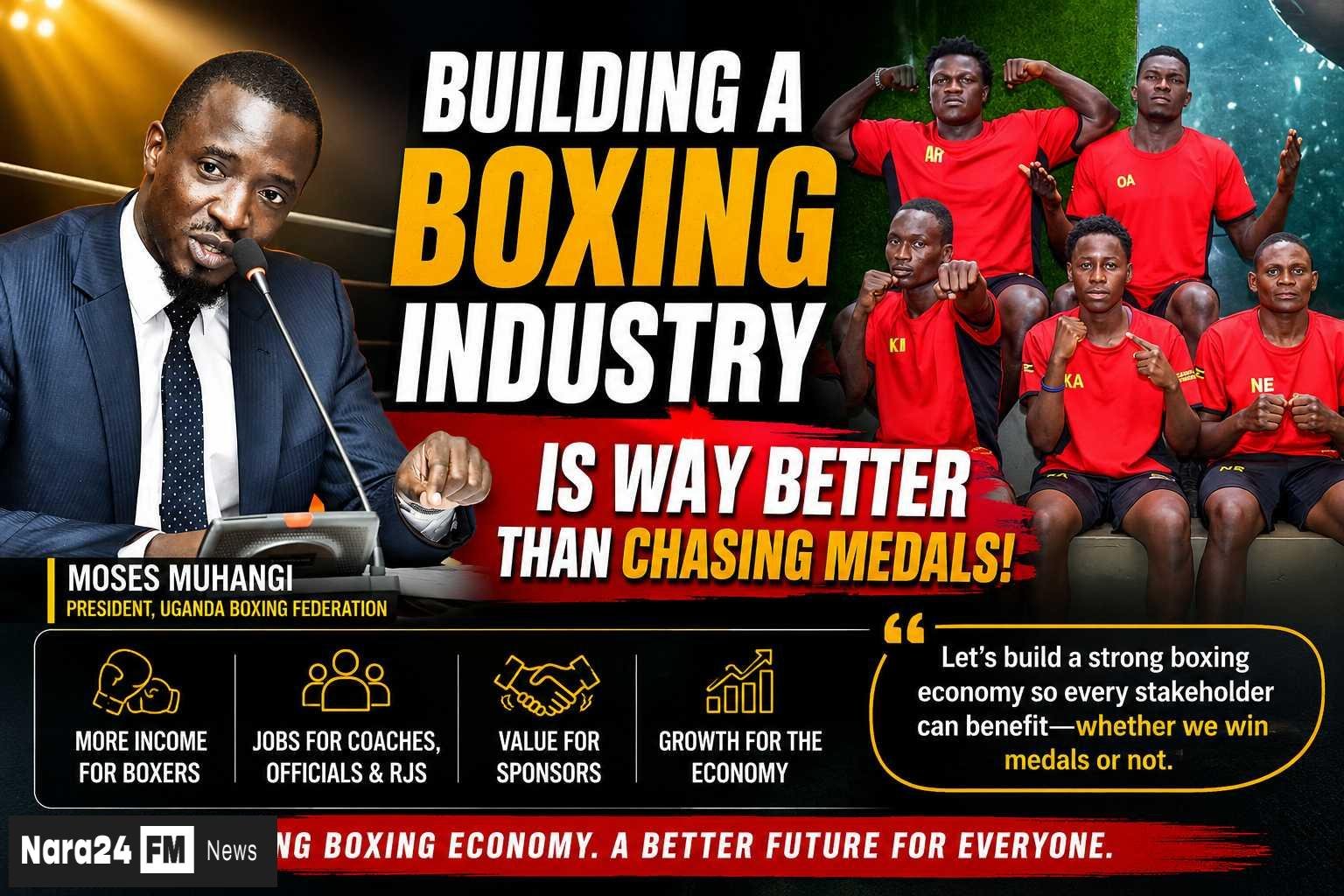
Uganda Boxing Federation (UBF) President Moses Muhangi has called on boxing stakeholders to shift their focus beyond winning medals at international competitions and instead prioritise building a strong and sustainable commercial boxing industry.
Muhangi argues that while medals at events such as the Olympics remain an important achievement and a major aspiration for boxers, they benefit only a very small proportion of athletes compared with the much larger number of people involved in the sport.
“Collecting medals in international boxing games is good, but building a commercial boxing industry is way better,” Muhangi said.
He noted that at an Olympic Games featuring 16 boxing weight categories—eight for men and eight for women—only a limited number of athletes can ultimately leave the competition with medals.
Using the Olympic model as an example, Muhangi pointed out that 16 gold, 16 silver and 32 bronze medals would amount to 64 medals in total across the 16 categories. With the Olympic Games taking place only once every four years, he questioned what happens to the thousands of elite boxers who compete but do not win medals.
He further highlighted that many boxers never even qualify to represent their respective countries at the Olympics, making it unrealistic to build the economic future of boxing around international medals alone.
Beyond medals
According to Muhangi, the bigger question for boxing administrators should be how athletes and other stakeholders can earn sustainable incomes from the sport regardless of whether they win international medals.
He believes a highly commercialised boxing sector at national, continental and global levels could create opportunities for boxers, coaches, referees and judges, administrators and numerous other professionals.
A thriving boxing industry, he argues, would also provide entertainment for the public while creating value for sponsors.
Greater public engagement with boxing could increase demand for boxing-related products and services, creating opportunities for businesses and contributing to government tax revenues.
Building Uganda's boxing economy
Muhangi said Uganda must therefore continue developing commercial boxing products that can attract audiences, sponsors and investment.
He cited initiatives such as the Uganda Boxing Champions League and celebrity boxing events as examples of products that can help transform boxing into a commercially viable industry.
The UBF president believes the next major challenge is to expand the sport's sponsorship portfolio and bring more money into boxing.
“With more sponsorship money coming into the sport, we can pay more to boxers, coaches, referees, judges and other stakeholders,” his argument suggests.
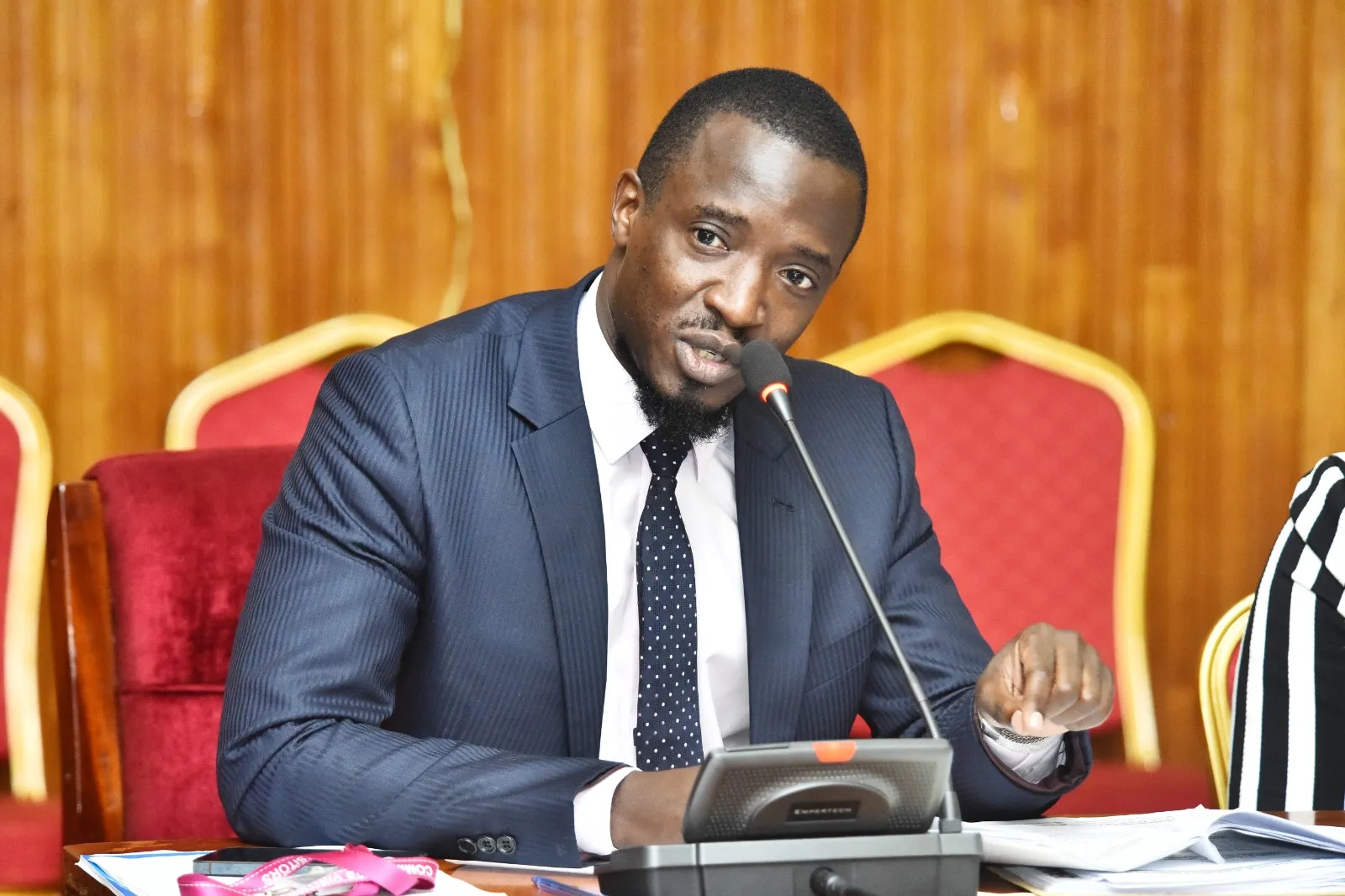
Boxing can support other industries
Muhangi also emphasised that the economic benefits of a developed boxing industry would extend far beyond the ring.
A commercially successful boxing event requires a wide range of service providers, including venues, television and media companies, entertainment providers, vendors, transport operators, communication companies and equipment suppliers.
Increased boxing activity could therefore create employment and business opportunities across several sectors of the economy.
The increased demand for boxing equipment could also stimulate manufacturing and distribution, further expanding the sport's economic footprint.
Medals as a secondary benefit
Muhangi stressed that Uganda should not abandon the pursuit of international medals. Instead, he wants medals to become one of the outcomes of a broader boxing-development strategy.
“If and when we are able to win medals, well and good,” he argued, while maintaining that the primary objective should be creating a sustainable boxing economy capable of supporting athletes and other stakeholders.
His position represents a call for stakeholders to think about boxing not only as a competitive sport but also as an industry capable of generating income, employment, entertainment and investment.
A new conversation for Ugandan boxing
Muhangi concluded by urging boxing stakeholders to broaden the conversation around the sport and address developmental issues beyond international competition.
For Uganda, the challenge now is to build a boxing ecosystem where a boxer does not have to become an Olympic medallist before being able to earn a living from the sport.
A stronger commercial boxing structure could provide regular opportunities for fighters while simultaneously supporting coaches, officials, promoters, administrators, sponsors, media organisations and businesses connected to the sport.
The message from the UBF leadership is therefore clear: winning medals matters, but building an industry that allows boxing to financially sustain the people who make the sport possible may matter even more.



Comments (0)
Leave a Comment
Be the first to comment on this article!